

The question of whether our society is facing a radical transformation is no longer relevant—we are already in the midst of it. The only question that remains is how this transformation will unfold: by disaster or by co-design? Those who do not wish to undergo change passively, and possibly in painful ways, but instead seek to co-shape it actively, are choosing sustainability. Sustainability is both a necessity and an opportunity:
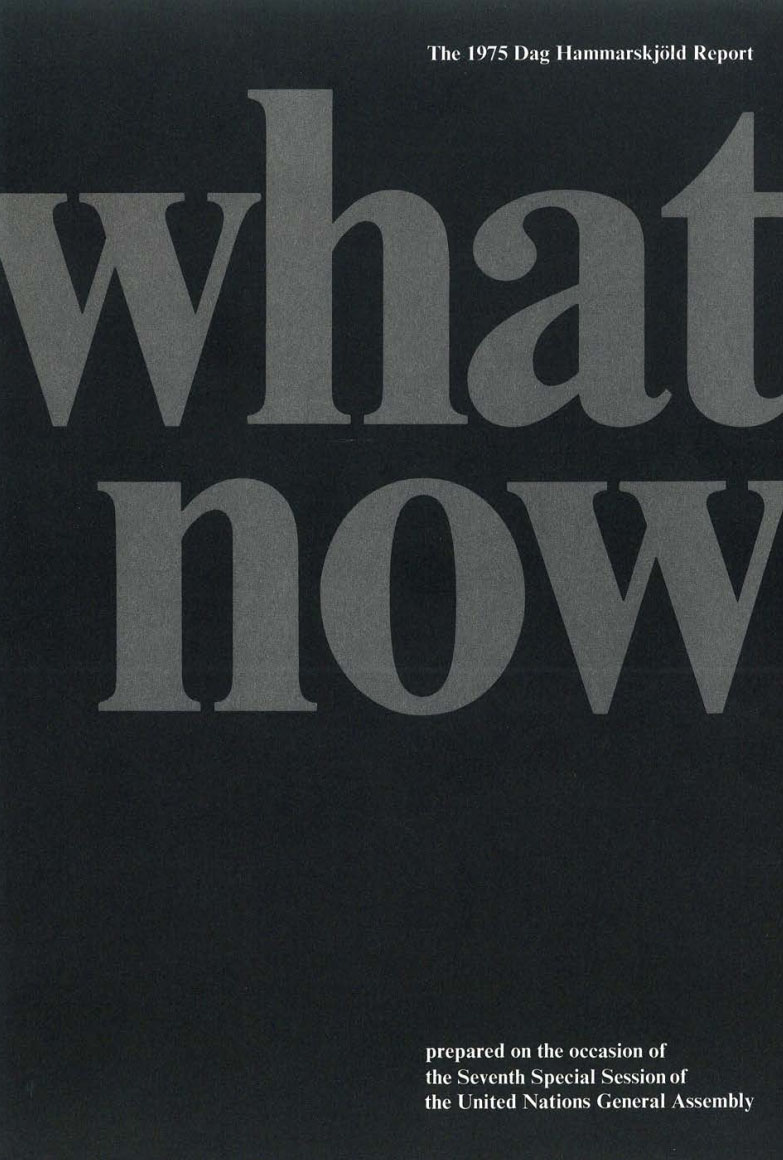
A key factor in both crisis resilience and a good life (Buen Vivir) is social cohesion. Diversity is equally important, since monocultures—including economic and intellectual ones—are particularly vulnerable to crises. Diversity implies not only the recognition of human difference, but, above all, the possibility of alternatives to a single hegemonic and unsustainable model of development. In this sense, sustainability has stood for »visions of another development« ever since the Dag Hammarskjöld Report »What Now? Another Development« (1975).
In our »knowledge and information society« (Bell, 1973), a vast amount of knowledge already exists—not only about problems, but often about possible solutions as well. There is no shortage of literature or conferences on these issues. We know, for example, that a rapid transition away from the fossil-fuel energy regime of oil, coal and gas is necessary to limit global warming. To overcome the crisis of democracy, we need to democratise democracy. Rising social inequality calls for a fairer distribution of resources, wealth and power. And those whose decisions and activities cause ecological, economic or social harm should bear responsibility for the consequences, rather than being allowed to externalise the costs.
What we still know comparatively little about, however, is how to move from problems to solutions. This is precisely the central question of transformation. It cannot be learned from books alone but, above all, through practice—by putting ourselves at stake. We are the transformation, and the first step out of powerlessness is cooperation with others.
Transformation is, first and foremost, a process of communication. One fundamental principle applies: relationships come before content (Watzlawick et al., 2011 [1967]). The quality of relationships shapes the way content is addressed. How a society communicates and organises itself has a profound influence on its relationship with the environment. Sustainability therefore means more cooperation than competition, more concern for the common good than for private interests. Sustainability begins with changing social relationships. For sustainability, the political how often matters more than the political what. Participatory forms of transformation are generally more sustainable than those imposed from above.
Since every place and every context possesses its own distinctive character, there is no universal blueprint for sustainable transformation. It should begin with exploration rather than planning, because the true experts on the specificity of a place are, first and foremost, the people who live and work there. Whereas the dominant development models of modernisation tend to treat people and nature as functional objects, sustainable transformation seeks their empowerment as change agents and the building of new alliances: between citizens and institutions, between neighbourhoods and social movements, between humanity and nature, and beyond.
If the agora of ancient Greek democracy was an exclusive one, sustained by the exploitation of slaves, then a good life that does not come at the expense of others requires an extended agora—one in which those others are also given a voice, including future generations and nature.
People do not necessarily act on what they know. Ways of thinking, habits and cultural dispositions that have developed over decades—or even centuries—cannot be changed overnight. Those who have been socialised to compete above all else and to behave as homo economicus often find it difficult to share or cooperate. A strong democracy, by contrast, depends on a culture of trust rather than distrust. For this reason, there can be no sustainable transformation without cultural change. Such change requires an emancipated landscape of education, research, the arts and the media.
Sustainable transformation begins at the local level and should be understood and shaped as both an individual and a collective learning process. Every city, neighbourhood and village can become a place of learning where alternatives are tested and new forms of living together are developed. Spaces for social experimentation, commons, and non-commercial rituals can strengthen social cohesion and make change a lived experience. One example is the »Day of the Good Life« (Tag des guten Lebens), which has been held annually in Cologne since 2013.
© Dr Davide Brocchi – Cologne, 30 June 2026
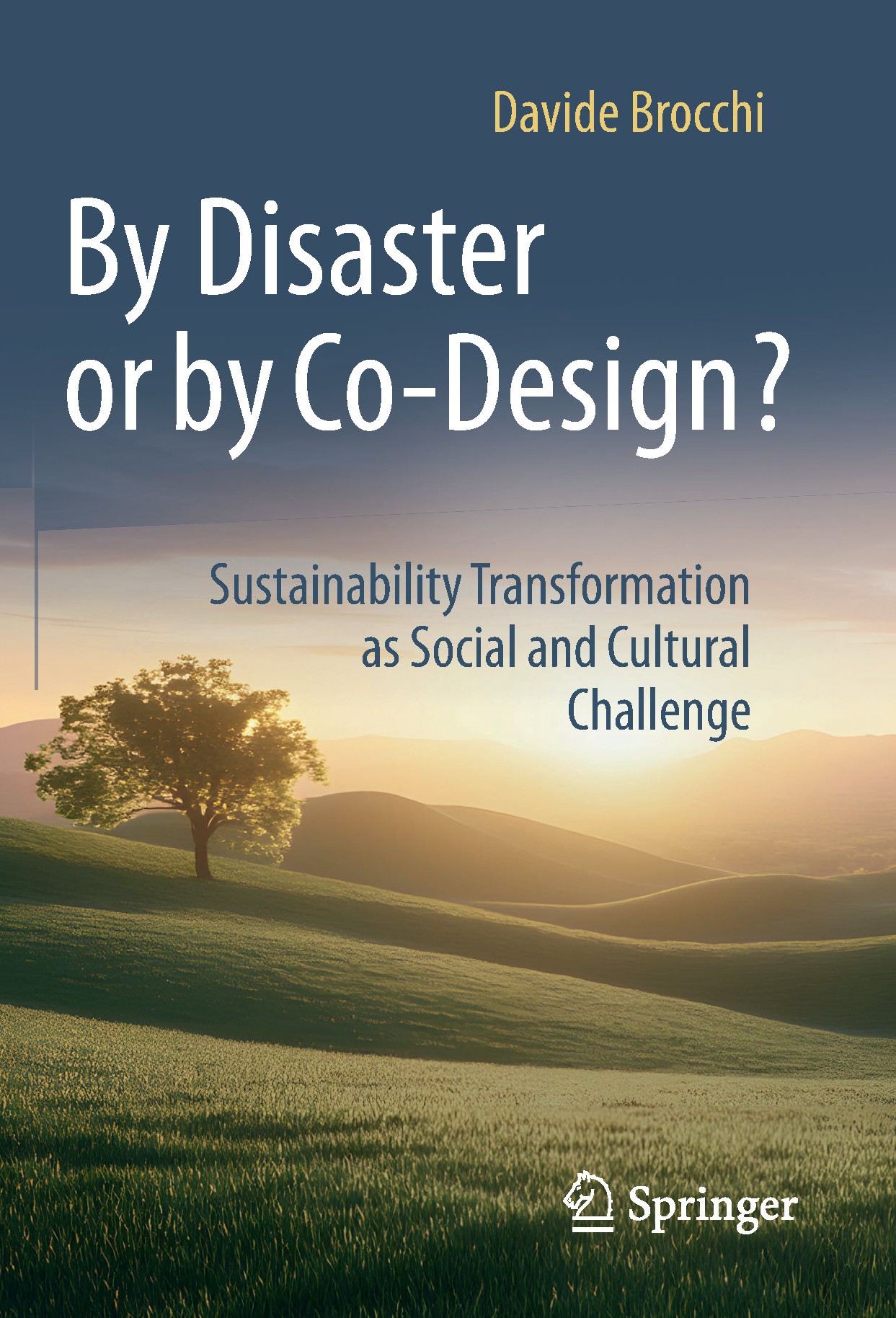
Impulse für eine nachhaltige Transformation als soziale und kulturelle Aufgabe. Bei Fragen oder Interesse an einer Zusammenarbeit nehmt bitte Kontakt auf. Ich freue mich darauf!
Copyright © 2026 Dr. Davide Brocchi